South Philadelphia neighborhood
Queen Village boiler repair and small-duct air conditioning
Radiators downstairs, no way to cool the bedrooms? We keep Queen Village boilers running and add or repair small-duct AC, which feeds narrow tubing through closets to cool houses never built for ducts.
Updated October 2026
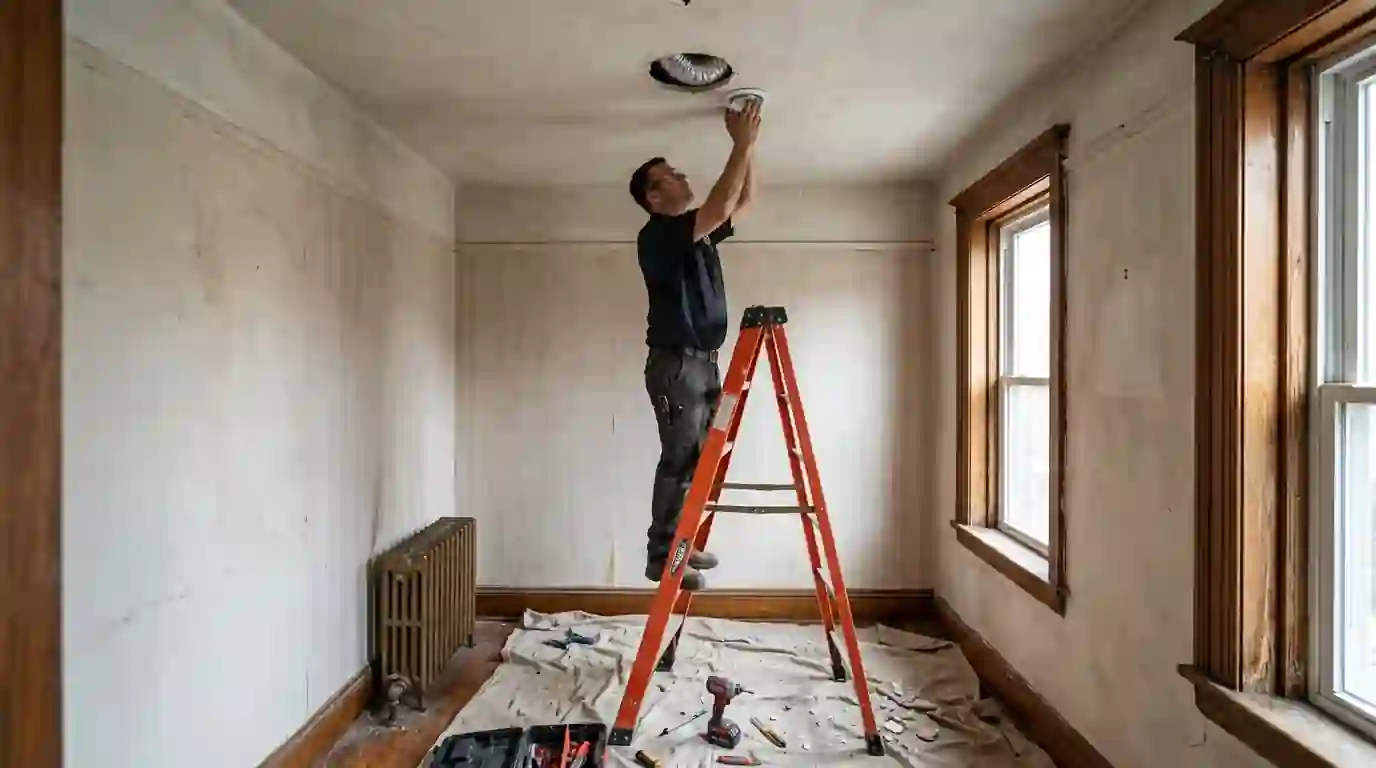
- Typical homes
- Narrow old houses near the river, many heated by boilers
- Most asked for
- Boiler repair, small-duct AC service, radiator valve fixes
- Phone
- Answered 24/7
Short answer
We repair heating and cooling in Queen Village, mostly boilers and radiators for heat and small-duct, high-velocity systems for cooling. Both suit old, narrow houses where full-size ductwork would mean tearing out plaster. In winter the tech checks boiler pressure, venting and controls. In summer we test the air handler, coil and refrigerant charge on small-duct systems.
Old, narrow houses and cooling that hides in the closets
Queen Village sits at the north end of South Philadelphia, a few blocks from the Delaware, and its streets are lined with narrow houses, some only one room per floor with a winding stair between them. In a profile of one Philadelphia rowhouse, WHYY traced more than 250 years of energy changes, from firewood to solar. Houses this old often carry a similar layered history: a fireplace that once did the work, a coal boiler later converted to gas, radiators that stayed through all of it.
That history is why a boiler is often still doing the heating in Queen Village, and why central air is hard to add. Full-size ducts need chases and soffits these houses have no room for. Small-duct, high-velocity systems solve that with an air handler in the attic or a closet and flexible tubing about the width of a garden hose, snaked through walls to small round outlets. They cool well and pull out humidity, but the tight tubing makes them sensitive to dirty filters and coil problems.
Most small-duct repairs come down to airflow. A clogged filter or an iced coil cuts cooling fast because there is little margin in the design. We check the filter, blower, static pressure and refrigerant charge, and look for kinked or disconnected tubing in the attic. On the heating side, a boiler in a Queen Village house often sits on piping far older than the boiler itself, and it may vent into a masonry chimney built for coal. We inspect the piping, the chimney and the boiler together, since a new part on one rarely fixes a fault in another.
Most called for here
Heating and cooling work Queen Village homes need
High-Velocity Central Air
Small-duct systems cool narrow old houses without soffits, and we install new ones and repair air handlers, coils and tubing.
Boiler Repair
Boilers here often run on piping older than the boiler, so we check pressure, controls and leaks along the whole loop.
Radiator & Baseboard Repair
Stuck valves, failed air vents and radiators that heat only halfway get fixed without disturbing old plaster and trim.
Whole-House Dehumidifier Installation
Philadelphia summers are humid, and a dehumidifier on the air handler dries the house without running the AC colder.
Chimney Liner Installation
Converted boilers and water heaters may vent into old masonry chimneys that need a liner to draft safely.
Ductless Mini-Split Installation
Where a small-duct air handler will not fit, single-room ductless heads cool a top-floor bedroom or a third-floor office.
It is central air built for houses without room for regular ducts. An air handler pushes air at high speed through flexible tubing to small round outlets, so an install needs very little demolition.
Check the filter first, because these systems lose airflow quickly when it clogs. If it is clean, a frozen coil, low refrigerant or a kinked tube in the attic are the likely causes.
Often, yes. A sound cast iron boiler with a failed control, circulator or vent is worth repairing. We look at the boiler, the piping and the chimney before recommending anything bigger.
Yes. Queen Village is part of the South Philadelphia area we cover from West Deptford. Mention parking and stair access when you call, since narrow streets and tight stairs shape how the tech brings in tools.
Close by