Heating · open 24/7
Converting oil heat to natural gas in Philadelphia, PA
Done buying heating oil? We plan the switch from the gas meter to the chimney, replace the oil burner or the whole appliance, and get gas heat running.
- Phones answered 24/7
- Oil boilers and oil furnaces
Updated October 2026
- What changes
- Fuel, burner or appliance, gas piping and venting
- Options
- Gas conversion burner, new gas boiler or new gas furnace
- First step
- A look at the appliance, the chimney and where gas enters
Short answer
An oil to gas conversion in Philadelphia, PA swaps the fuel your heating system burns, and usually the appliance with it. It depends on gas service reaching the house, a gas line sized for the new load, and a flue that suits gas exhaust, which is often different from what the oil burner needed.
More than swapping the burner
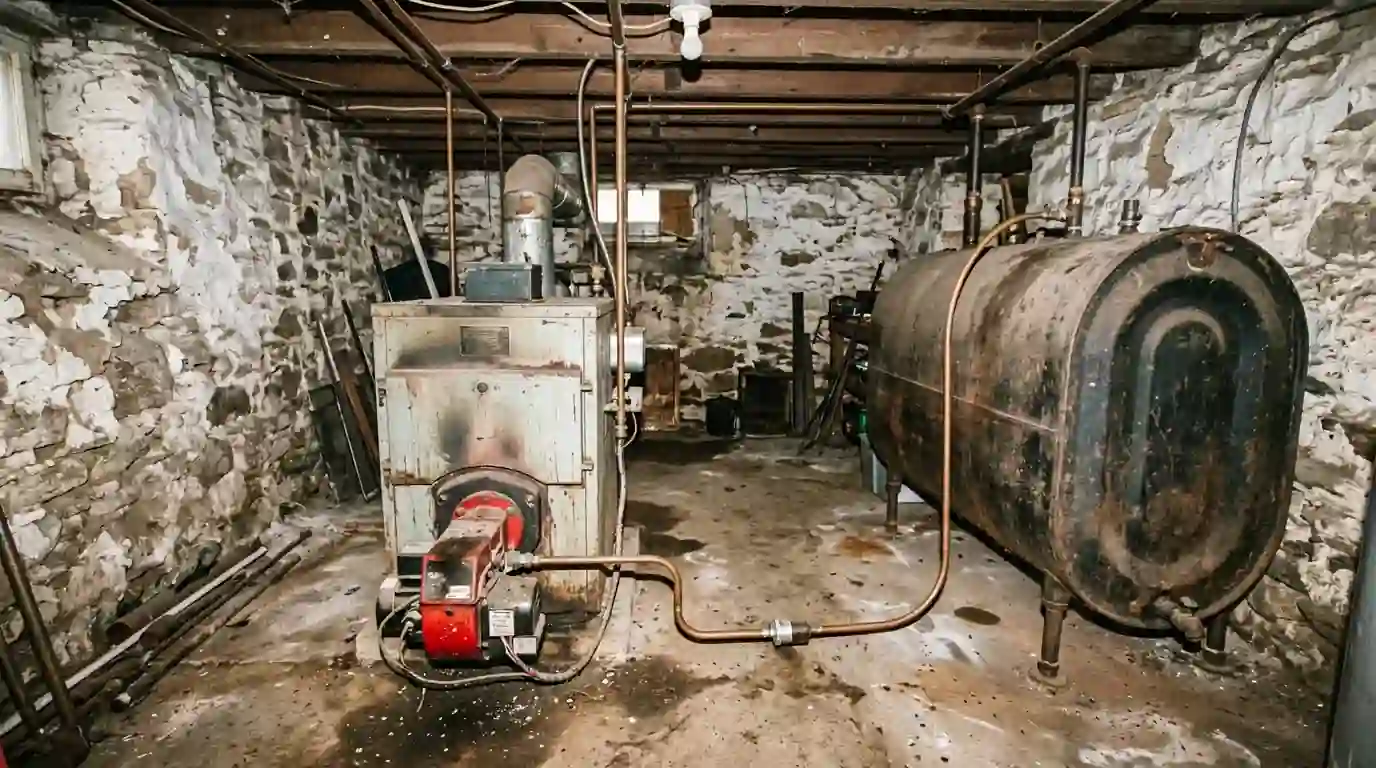
Oil heat and gas heat ask different things of the house. Oil needs a tank, a fuel line and a chimney that handles hot, sooty exhaust. Gas needs a meter, piping sized for the appliance and a vent suited to exhaust that is cooler and wetter.
The appliance decision comes first. A sound oil boiler can sometimes take a gas burner, but many older oil units are near the end of their run, and a new gas appliance often makes more sense.
What shapes the cost of an oil to gas switch
You see the price before we start. What moves it:
- Conversion burner, new boiler or new furnace
- Length and size of the gas run from the meter
- Chimney liner versus new PVC venting
- Steam piping or duct changes the new appliance needs
How each conversion differs
Converting an oil boiler
Most oil heat in older houses here runs through a boiler, hot water or steam. When a cast iron boiler is in good shape, a gas conversion burner can replace the oil burner, though efficiency stays tied to the old boiler. More often we replace it with a gas boiler sized from a heat loss calculation, since oil boilers were frequently oversized. Hot-water systems can move to a condensing gas boiler. Steam systems need a steam boiler, piped to the maker's near-boiler diagram. More on boiler replacement.
Converting an oil furnace
An oil furnace is usually replaced outright rather than converted, because gas furnaces are built around their own burners and controls. The new furnace connects to the existing ductwork through a new transition, and it is the right moment to check whether the ducts and returns were ever sized properly. A condensing gas furnace vents through PVC and needs a condensate drain. A standard-efficiency model vents into a lined chimney. If central air shares the ducts, we confirm the AC coil fits the new cabinet. See furnace replacement.
Flue and chimney changes
Oil burner exhaust runs hot enough to keep a masonry chimney warm. Exhaust from a modern gas appliance is cooler and carries more water vapor, which condenses in a cold, oversized flue and eats at the mortar and tile. So a conversion usually means one of two things: a liner sized for the gas appliance, or a condensing appliance that vents through PVC and leaves the chimney behind. If a water heater still uses the chimney after the boiler leaves it, that flue is now far too big for it alone. See chimney liners.
Three ways to make the switch to gas
The right path depends on the condition of what sits in the basement now.
| Option | Fits when | Trade-off |
|---|---|---|
| Gas conversion burner on the existing boiler | The oil boiler is sound and fairly recent | Lowest upfront cost, efficiency stays limited by the old boiler |
| New gas boiler | Radiators or baseboard stay, and the oil boiler is old | Higher cost, a right-sized boiler and the option to go condensing |
| New gas furnace | The house has ducts, or central air is planned | Uses existing ducts, needs PVC venting and a drain if high efficiency |
How an oil to gas conversion is planned
Look at what you have
Appliance condition, the chimney, the oil tank and where gas can enter the house.
Choose the path
Conversion burner, new boiler or new furnace, sized with a heat loss calculation.
Line up the gas side
You request gas service from the utility, and we plan around the meter date.
Install and pipe
Disconnect the oil side, set the appliance, run gas piping, and fit the venting.
Fire and test
Gas leak test, combustion and draft readings, and a full heating cycle.
What our conversion work covers
A conversion we install includes these steps:
- A heat loss calculation to size the new boiler or furnace
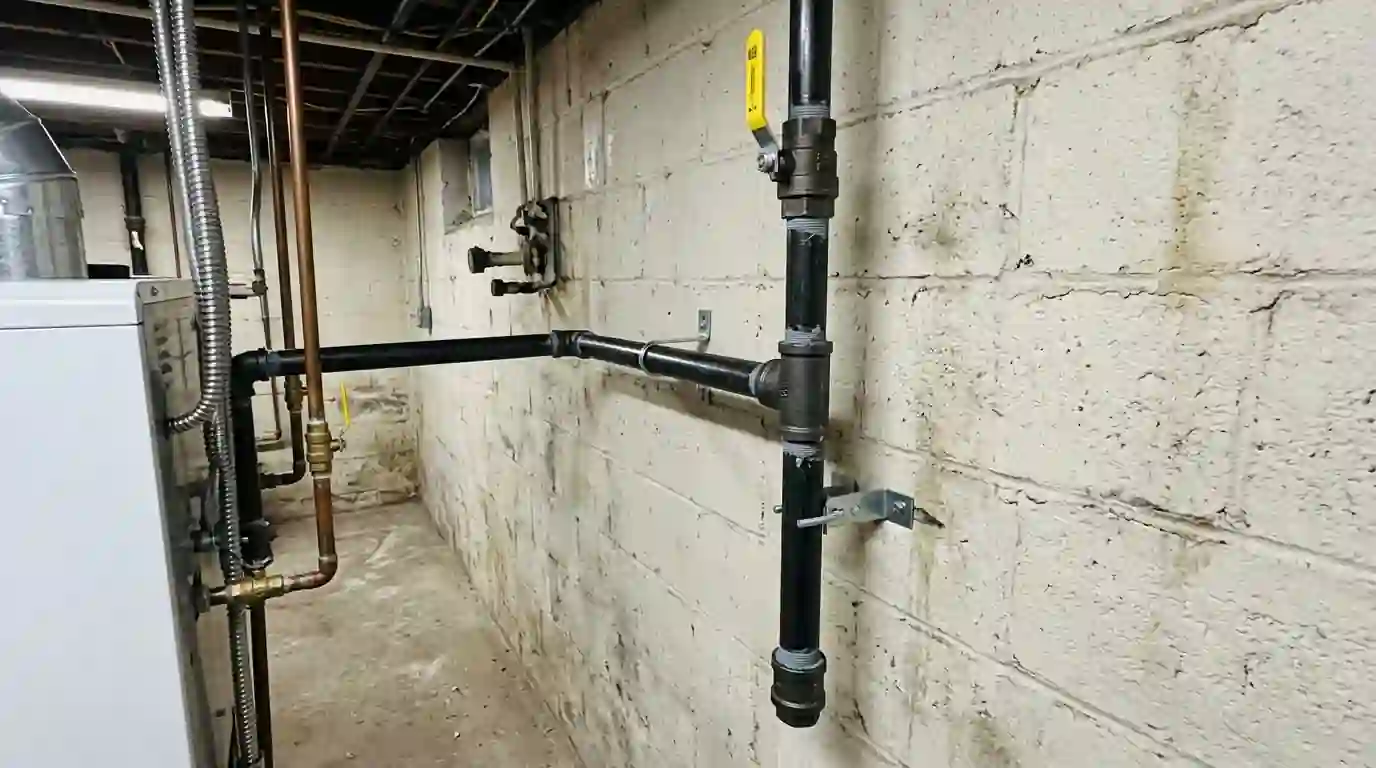
- Gas piping from the meter, sized for the load, with a shutoff and sediment trap
- Disconnecting the oil burner, fuel line and filter
- A chimney liner sized for gas, or PVC venting for condensing equipment
- Setting and piping the new appliance, or fitting the conversion burner
- Startup with combustion testing, a gas leak test and a full heating cycle
From firewood to oil to gas in Philadelphia houses
WHYY profiled a Philadelphia rowhouse that has gone through more than 250 years of energy changes, from firewood to solar, and moving off oil is one more step of that kind. Philadelphia Gas Works has marked its 185th year of service, so gas heat is nothing new to the city. Still, a house that burned oil for decades may need its gas service and piping sorted out before a gas appliance can go in, and we check that before the equipment is chosen.
How long a conversion takes from the first call
The install usually runs one to two days for a straightforward boiler or furnace swap. Steam boilers with new near-boiler piping, or a job that adds a chimney liner, take longer.
The gas side usually sets the calendar. Until the utility has a meter at the house, the new equipment cannot fire, so we plan around that date and keep oil heat running.
Sometimes. A sound cast iron boiler can take a gas conversion burner. An older or oversized boiler is usually better replaced with a gas boiler sized to the house.
It is a separate job from the heating work. The tank should be emptied, then removed or properly closed, and we time our disconnect to fit that plan.
Often, if the new appliance vents into the chimney, because gas exhaust condenses in a cold, oversized flue. A condensing boiler or furnace vents through PVC instead.
Usually only on install days. We keep the oil system running until gas service is ready, then switch over, keeping the gap as short as the work allows.
Usually. If hot water came from a coil inside the oil boiler, the new setup needs a gas water heater, an indirect tank or a combi boiler.
Related work