HVAC Resources
How to choose an HVAC contractor for a Philadelphia home
Quotes that look alike on paper often describe very different jobs. These are the questions that show the difference, from people who answer them every week.
By Lois Cavanaugh, HVAC Guides EditorUpdated October 2026
Short answer
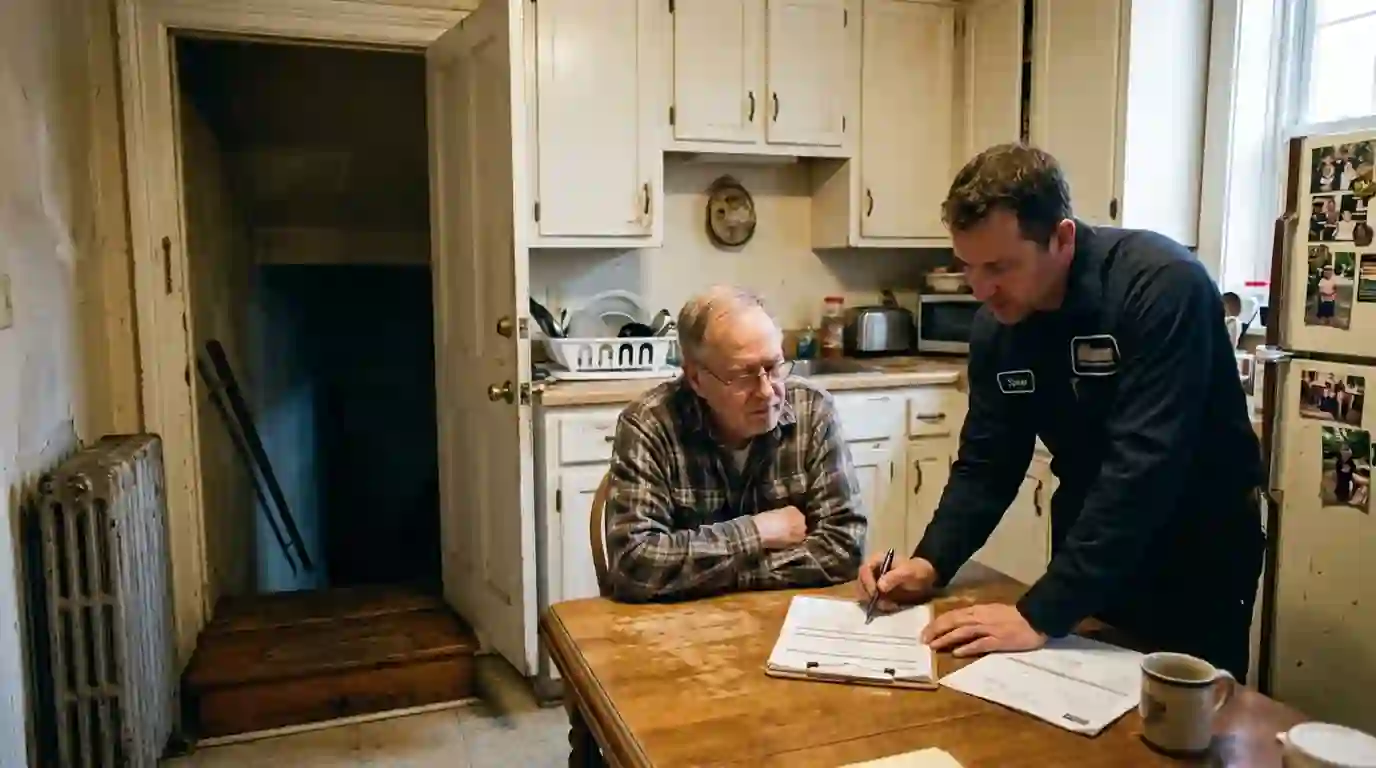
Choose an HVAC contractor by comparing what each one will actually do, not just the price. Ask whether the job needs a permit and who pulls it, how the new system was sized, exactly what the written scope includes, and who will do the installation. The City of Philadelphia runs a mechanical permit application, so ask how it applies.
Judge how they diagnose, not how fast they quote
For a repair, the first thing worth judging is the diagnosis. A good tech tells you what failed, how they confirmed it and why it failed, not just which part to buy. A capacitor that burned out because the outdoor coil was packed with dirt will burn out again if nobody cleans the coil. Ask what was measured: voltage, amperage, refrigerant pressures, temperature split, gas pressure, draft. Readings written on the service ticket are a good sign.
For a replacement, be wary of a price given over the phone or after a glance at the old unit's label. Replacing heating or cooling equipment in an older Philadelphia house depends on things that only show up in the basement, the attic and the chimney.
Notice, too, whether a repair visit ends with a sales pitch or a straight answer. Sometimes the honest advice is that an older system is worth fixing for now, and a contractor who tells you that when a replacement would be the bigger ticket is showing you how they will treat you later.
Ask about the permit, and who pulls it
The City of Philadelphia runs a mechanical permit application as one of its building and repair permits. Ask whether your job needs one and who will apply for it. The answer depends on the work, and a contractor should be able to explain it plainly. On the New Jersey side, the town's construction office handles permits for the same kinds of jobs.
Be cautious if you are asked to take out the permit yourself as the homeowner. That can leave the responsibility for the work with you. A permitted job also brings an inspection, which is a second set of eyes on venting, gas piping and electrical connections you would otherwise never see checked.
Keep the permit paperwork and the final inspection record with the equipment manual. When the house is sold, or when the next contractor asks what was done and when, that file answers the question in a minute.
How was the new system sized?
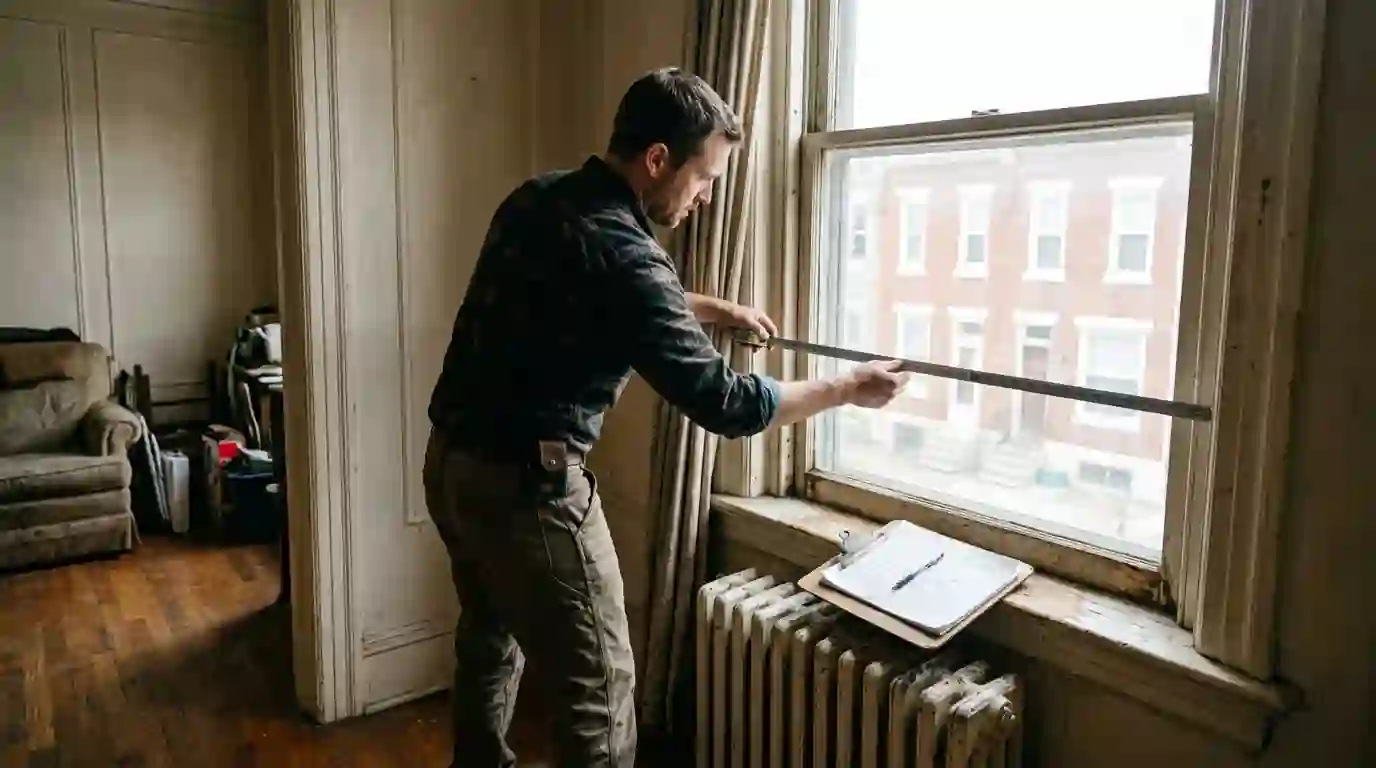
The old unit's size is not a sizing method. Many heating systems in older houses were oversized when they went in, and the house may have changed since, with new windows, insulation or a finished basement. A load calculation works out heat loss and heat gain room by room from your walls, windows, insulation, air leakage and orientation. The common industry method is called Manual J.
Oversized equipment short-cycles: an AC that cools the air quickly but leaves the house clammy, a furnace that starts and stops all day. Undersized equipment runs and runs on the worst days. Ask to see the calculation, or at least its inputs, and ask how the ductwork was checked against the new equipment.
Steam boilers are the exception. They are sized to the radiators connected to them, which a tech measures one by one, not to the heat loss of the house. A steam quote that skips the radiator count is a quote to question.
Weighing a replacement quote right now? Call (267) 392-1418 any hour; a person answers.
Call (267) 392-1418What the written scope should spell out
Two quotes for the same furnace can describe very different jobs, and the written scope is where that shows. It should list what is included in plain terms, so you can compare line by line.
If one quote includes a chimney liner and another does not, they are not the same job. The chimney question comes up often in older Philadelphia houses: a high-efficiency furnace vents through plastic pipe out a wall, which can leave a water heater alone on an old masonry flue that now needs a chimney liner.
- Equipment make, model and size for both indoor and outdoor parts
- Removal and disposal of the old equipment, including refrigerant recovery
- Line set, condensate drain or pump, and the pad or bracket
- Venting: new flue pipe, chimney liner or sidewall venting
- Gas, electrical and thermostat work
- Start-up checks: combustion test, refrigerant charge and airflow
Who will actually be in your basement?
Ask who will do the installation, and whether the person who measured the house will be on site or in touch with the installers. Ask who to call if something is not right afterward, and how long an install of this kind usually takes in a house like yours.
In older homes, ask what happens if the crew finds something unexpected: asbestos-wrapped pipes, a cracked chimney flue, undersized gas piping or an electrical panel with no room for a new circuit. A good contractor tells you up front how surprises are handled, stops to explain them, and does not change the price without a conversation. Old pipe insulation that may contain asbestos should be tested and handled by a qualified abatement company, not torn off by an HVAC crew.
Ask what the start-up includes as well. On a gas appliance that means a combustion analysis and a draft test. On central air it means the refrigerant charge set by measurement and the airflow checked. Ask to see the readings, and how the thermostat and any new controls work, before the crew leaves.
Red flags in a quote or a sales visit
None of these prove a contractor is a poor choice. They are reasons to slow down and ask more questions before you sign anything.
A quick-replace suggestion is worth extra scrutiny in winter, when a dead boiler or furnace leaves little time to think. If the house is cold tonight, the first job is getting heat back safely, often with a repair that buys time. A replacement can then be priced and compared once the house is warm.
- A replacement price given without anyone seeing the house
- Sizing by the old label or by square footage alone
- Pressure to sign on the spot or lose the price
- A vague scope, such as install new system, with no line items
- No clear answer when you ask whether a permit applies
- A push to replace without showing you what failed
How we would want you to compare us
We would rather be compared on scope than on a headline price. When we quote a furnace replacement, a boiler replacement or an AC installation, the proposal lists the equipment, the sizing basis, the venting, the permit and the start-up checks, so it can sit next to anyone else's on the kitchen table. If another quote leaves something out, ask them about it. If ours does, ask us.
Whoever you hire, the comparison is fairest when every contractor sees the same house and answers the same questions. Write the questions from this guide on one sheet, take notes as each visit goes, and the differences between the proposals will be much easier to see when they arrive.
Enough to compare scopes, which for most people means two or three. More quotes help less than reading each one carefully and asking why the prices and line items differ.
Not necessarily, but it often means a different scope. Compare the line items, especially venting, line sets, permits and start-up checks, before deciding the lower number is the better deal.
Yes. New equipment has to suit the system that delivers the heat. Ducts that are too small make a new AC loud and weak, and a steam boiler has to match the radiators it feeds.
Ask the contractor, and check with the city if you are unsure. The City of Philadelphia runs a mechanical permit application, and whether it applies depends on the work being done.
The equipment, the sizing basis, the full scope, who handles the permit, the start-up checks and the price. If something was promised out loud, ask for it to be added to the paperwork first.
Sources: City of Philadelphia
Keep reading
Related services and guides
Furnace Replacement & Installation
New gas furnaces sized for the house, not the old unit.
Central AC Installation & Replacement
New central air systems matched to the ducts you have.
Boiler Replacement
Condensing, combi and steam boilers for older homes.
Repair or Replace an Older Central AC in Philadelphia
How to weigh a repair against replacement on an aging central air system, part by part.
The 2025 Refrigerant Change and Your Older AC
What the 2025 refrigerant mandate means for an existing AC, leak repairs, coil swaps and replacement timing.