HVAC Resources
No heat? What to check first, and when to stop and call
Most no-heat calls start with something small. These are the checks that are safe for anyone, in the order we would ask you to do them on the phone, plus where to stop.
By Lois Cavanaugh, HVAC Guides EditorUpdated October 2026
Short answer
Start with safety: if you smell gas or a carbon monoxide alarm sounds, leave and call 911 or the gas utility from outside. Otherwise check the thermostat mode, setpoint and batteries, then the heating system's power switch and breaker, then the filter. If the heat does not come back after those, or the system keeps shutting off, call a tech.
Before anything else: gas smell, CO alarm or water
If you smell gas or a carbon monoxide alarm goes off, skip everything else in this guide. Everyone should leave the house now. From outside, or from a neighbor's, call 911 or the gas utility's emergency number. Do not flip light switches or use anything that could spark, and do not go looking for the leak yourself.
Headaches, dizziness or nausea that several people in the house feel at once, especially while the heat is running, can be signs of carbon monoxide even without an alarm. Treat them the same way. Once the utility or fire department has made the house safe, call us so we can find out why it happened.
Water pouring from a boiler or pipe is urgent in a different way. Switch the boiler off, shut the cold-water supply to it if the valve is easy to reach, and call.
Check the thermostat properly, not just the number
A surprising number of no-heat calls end at the thermostat. Go through it carefully.
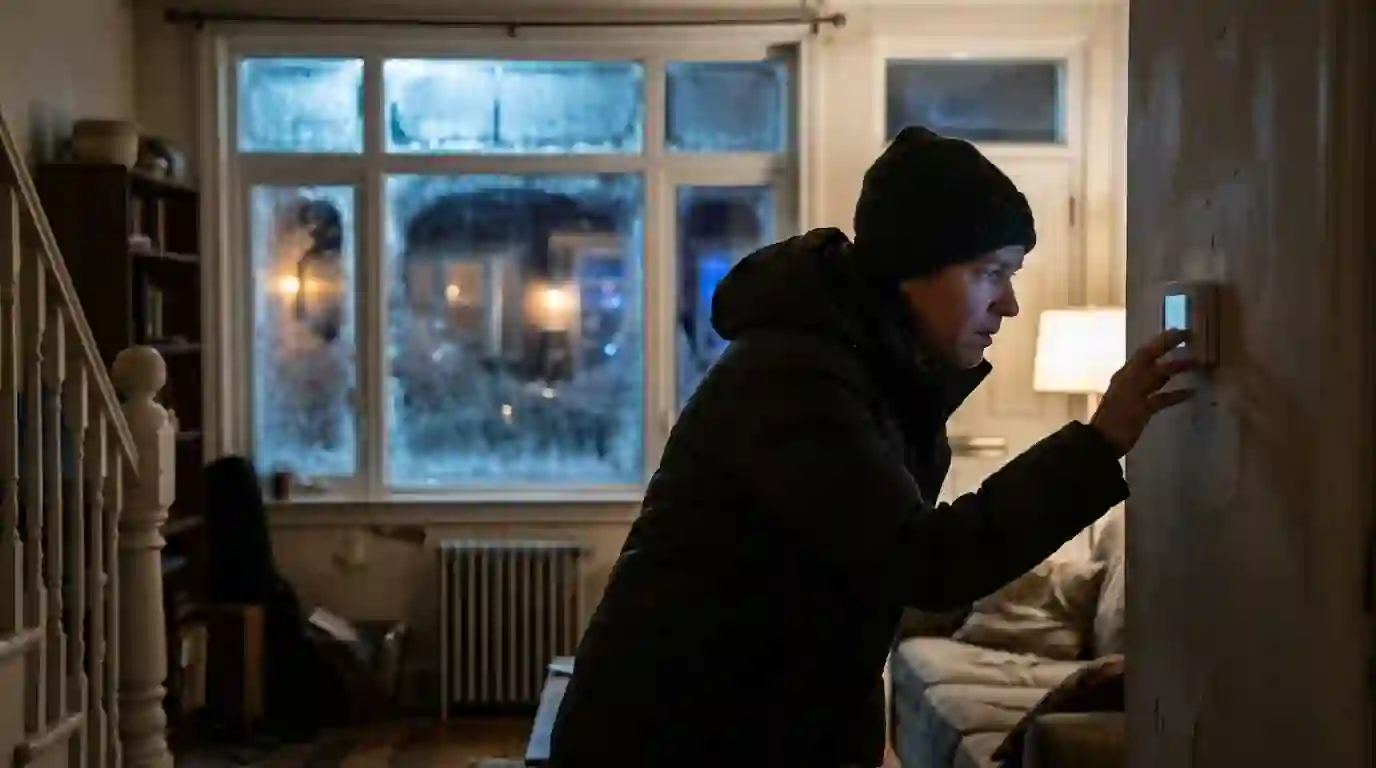
Replace the batteries even if the screen looks fine, since weak batteries can keep the display lit and still fail to signal the system. Then raise the setpoint and give it several minutes. Many furnaces and boilers run a short startup sequence before the burner lights, so silence for the first minute or two is normal.
If the screen stays blank with fresh batteries, or the thermostat is wired for power from the system, the equipment itself may have lost power. That points you to the next step.
If the wires behind the thermostat were disturbed during painting or a remodel, leave them for a tech rather than guessing at the terminals.
- Mode set to Heat, not Cool or Off
- Setpoint a few degrees above the room temperature
- A blank or dim screen, which usually means dead batteries
- A schedule or hold that is still set to an away temperature
- On a smart thermostat, a low-power or wiring warning
Power, the service switch and the filter
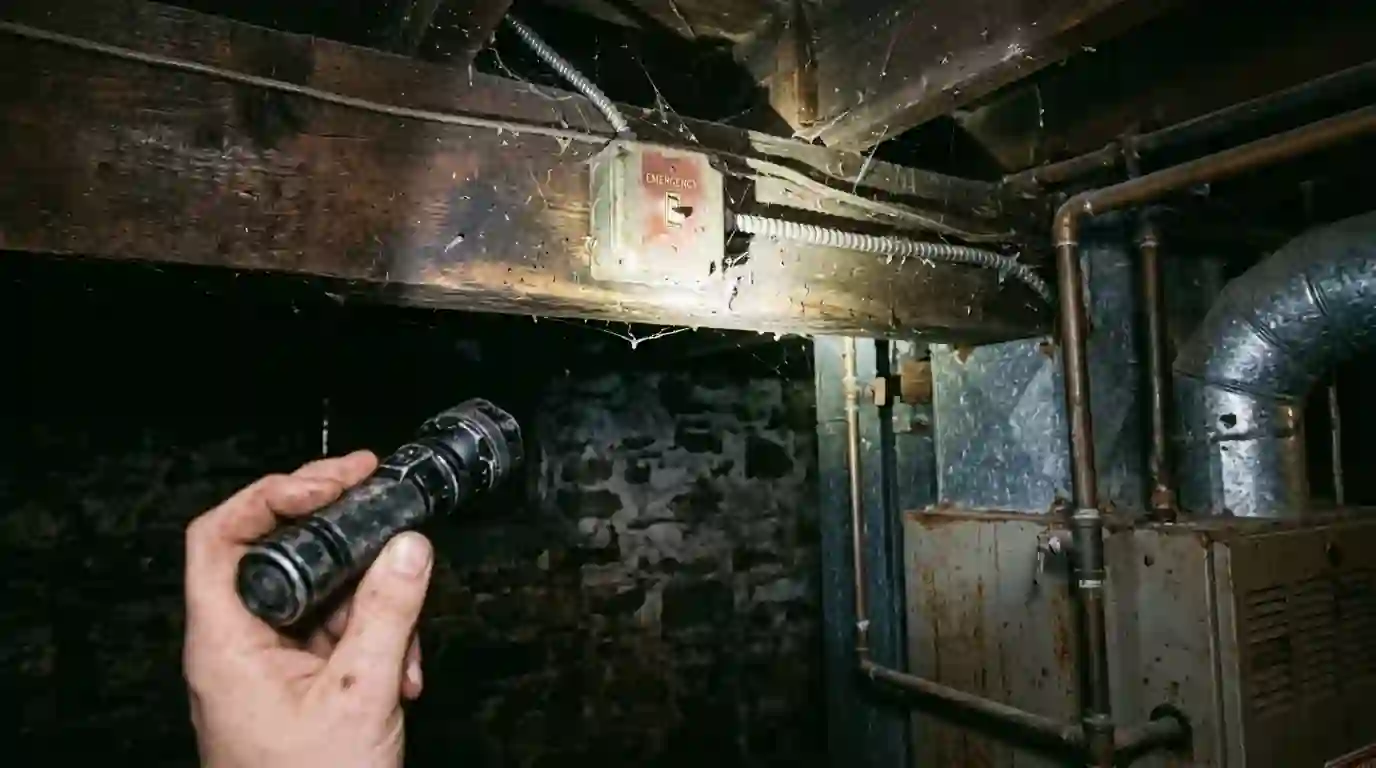
Furnaces and boilers have a service switch that looks like an ordinary light switch. It is often on the side of the unit, on a basement joist nearby, or at the top of the basement stairs, where it gets flipped off by mistake. Make sure it is on. Then check the panel for a tripped breaker labeled for the furnace, boiler or burner.
If a breaker has tripped, reset it once. If it trips again, leave it off and call. A breaker that will not hold is protecting you from a fault, and resetting it over and over can damage the equipment or start a fire.
On a furnace, slide the filter out and look at it. A filter caked in dust can make the furnace overheat and shut the burner off on its high-limit safety, sometimes again and again. Replace it if you have a spare. Also make sure the blower door on the front is pushed fully closed, because a safety switch behind it keeps the furnace off while the panel is loose.
Checked everything and still no heat? Call (267) 392-1418 any hour; a person answers.
Call (267) 392-1418Furnace or boiler still dead? Read what it is telling you
Many newer furnaces have a small window in the lower panel with a blinking light. The blink pattern is a fault code, and the chart that explains it is usually printed inside the panel door. Count the blinks and write the number down, because it saves time on the call. High-efficiency furnaces also shut down when their condensate drain or pump backs up, so look for water pooling around the base.
On a hot-water boiler, check the pressure gauge. If the needle is far lower than usual, the system may have lost water. On a steam boiler, look at the sight glass. If no water is visible, the low-water cutoff has done its job and shut the burner off. Turn the boiler off and let it cool before anyone adds water, then call.
If you have oil heat, press the reset button on the burner once at most. If the burner does not light, stop there. Pressing reset again and again can flood the combustion chamber with oil, which turns a simple repair into a dangerous one.
Heat pump households: defrost, ice and emergency heat
A heat pump that runs but blows cool air for a while may be in defrost, which is normal on cold, damp days and ends on its own. Light frost on the outdoor coil is fine. A thick block of ice that stays, a fan that will not turn, or an outdoor unit that has stopped completely is not.
If the house is getting cold, switching the thermostat to emergency heat brings on the backup heat while you wait for a tech. It costs more to run, so treat it as a stopgap. Clear snow away from the outdoor unit with your hands or a broom, never with a shovel or anything sharp near the coil.
Call if the indoor fan will not run, if the air stays cold for a long stretch rather than a short defrost, or if emergency heat does not warm the house either.
Keeping the house and pipes safe while you wait
In an older house with plumbing on outside walls, pipes can freeze once the heat has been off for a while in real cold. A few steps buy time.
Never use the oven or a gas range to heat the house, and never run a generator, grill or fuel-burning heater indoors or in a basement. That is how carbon monoxide poisonings happen during outages and cold snaps.
If the outage runs into a hard freeze and you have to leave the house, shut the main water valve and open the lowest faucet to drain the lines. Pipes with little water left in them are far less likely to freeze and split while you are away.
- Open cabinet doors under sinks on outside walls
- Let a thin stream run from taps on those walls
- Close curtains and keep interior doors shut to hold heat
- Plug space heaters straight into a wall outlet, clear of bedding and curtains
When to stop checking and call, and what to tell us
Call once the simple checks are done and the heat still is not back, or right away if the system keeps shutting off, trips a breaker twice, smells of burning or is leaking. Call sooner if anyone at home is elderly, very young or unwell. The phone is answered 24 hours a day, and the person who picks up can walk you through anything you have not tried yet.
It helps to have a few things ready: the type of system, any error code or blink count, what you already checked, and whether the problem started suddenly or after a few days of uneven heat. For gas furnaces, see furnace repair, and for breakdowns at night or on a weekend, emergency HVAC repair.
It depends on how cold it is outside, how well the house holds heat and where the pipes run. Pipes on outside walls and in unheated spaces are the first to go, so act early.
Use one with tip-over and overheat shutoff, plug it directly into a wall outlet, keep it well clear of anything that can burn, and make sure your smoke and carbon monoxide alarms work.
Often a dirty flame sensor, a clogged filter tripping the high-limit, or a blocked condensate drain. If it keeps happening after a filter change, a tech needs to test the ignition sequence and safeties.
No. One reset is reasonable. If the system locks out again, something is causing it, and repeated resets on an oil burner in particular can create a dangerous situation in the combustion chamber.
Yes. The phone is answered 24 hours a day, 7 days a week. Tell us what the system is doing, what you already checked, and whether anyone at home is at risk from the cold.
Keep reading
Related services and guides
24/7 Emergency HVAC Repair
No heat, no cooling or a leaking boiler at night. Call any hour.
Furnace Repair
Gas furnaces that blow cold, short cycle or will not light.
Boiler Repair
Hot-water boilers that lock out, leak or leave rooms cold.
Steam or Hot Water Heat: Which Does Your House Have?
How to tell steam heat from hot water by looking at the boiler, the radiators and the pipes.
Water Heater Warning Signs Before It Leaks
How to read rust, rumbling, drips and pilot trouble on a tank water heater before it floods the basement.